

Dispatch: Human Well-being, Housing, Homes, Homelessness, Affordable Housing, Cultural Heritage, Conservation
Japan’s Akiya Boom: Affordable Homes That Preserve Heritage and Revitalize Rural Life
After looking at crumbling villas in Italy, overpriced apartments in the UK and Europe, and everything in between, Japan’s akiya market still surprised me with how many are genuinely livable with minimal work, so I wanted to share this with readers.
If you’ve caught my latest video about traditional Japanese houses, you know the allure: rich timber frameworks, elegant tiled eaves, and the quiet solidity of buildings crafted to endure centuries. But there’s more at stake than aesthetics. Buying one of these vacant homes, known as akiya (空き家), means owning a slice of living heritage while helping to repopulate towns hollowed out by youth flight to the cities.
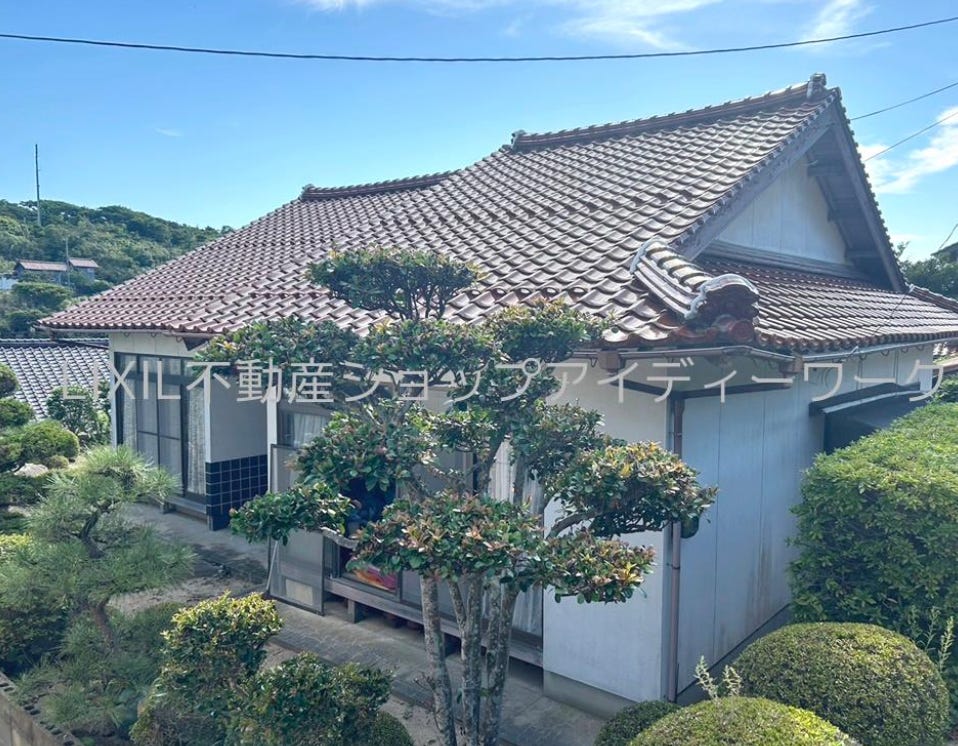
What Are Akiya ?
According to the 2023 Housing and Land Survey, roughly 9 million Japanese houses sit empty, nearly 13.8 percent of the nation’s housing stock. They result from an ageing population, rural-to-urban migration, and a cultural preference for brand-new properties that pushes older dwellings to near-zero value after about 30 years.
Far from being all derelict, many akiya are perfectly usable:
• Light fixes (fresh paint, minor plumbing or electrical updates)
• Major overhauls (roof replacement, seismic strengthening)
• Turnkey homes (recently lived-in suburban houses or well-maintained folk houses)
Most list for under US $50,000, and some local governments even give them away if you agree to move in and help rejuvenate the community. Foreign buyers have the same purchase rights as Japanese citizens—full ownership of both land and structure, no visa needed.
More Than a Bargain: Heritage Conservation and Community Renewal
By restoring akiya, whether they’re kominka (rural folk houses) or machiya (urban townhouses), new owners will get the chance to preserve centuries of Japanese carpentry traditions with interlocking joinery, passive ventilation, and seamless integration with nature. Renovators safeguard these cultural treasures and keep local landscapes alive.
Government Incentives and Preservation Laws
• Law for the Protection of Cultural Properties: designates historic buildings and funds their upkeep.
• Important Preservation Districts: local regulations that protect clusters of traditional architecture.
• Vacant Houses Special Measures Law (2015, updated 2023): empowers municipalities to order demolition of hazardous akiya, rescind tax breaks on neglected properties, and offer incentives for adaptive reuse.
Akiya Banks: Fighting Depopulation Head-On
Throughout rural Japan, “akiya banks” operate as online catalogues of discounted or free homes. Many listings come with renovation grants, property tax relief, and even support for new businesses. The goal is to attract families and entrepreneurs to revive schools, shops, and local services. Increasingly, foreign buyers bring fresh ideas to towns left empty by domestic urban migration.
A Surprising Link to Low Homelessness
Japan reports one of the world’s smallest official homelessness figures, about 2,500–3,000 people nationwide. Alongside cultural norms (strong family networks, social stigma around visible poverty, comprehensive welfare programs), the sheer volume of affordable housing—including idle akiya—helps ensure almost everyone has somewhere to live.
What to Budget For :
• Renovation costs: ¥788,085–¥10 million (US $5,000–$65,000), depending on scope. Grants frequently offset heritage restoration expenses.
• Closing fees and annual property taxes: modest outside major urban centers.
• Location trade-offs: deeper rural settings offer lower prices and richer heritage, but demand true commitment; suburban or small-city homes ease daily logistics.
• Styles range from modern suburban dwellings to centuries-old kominka and elegant machiya.
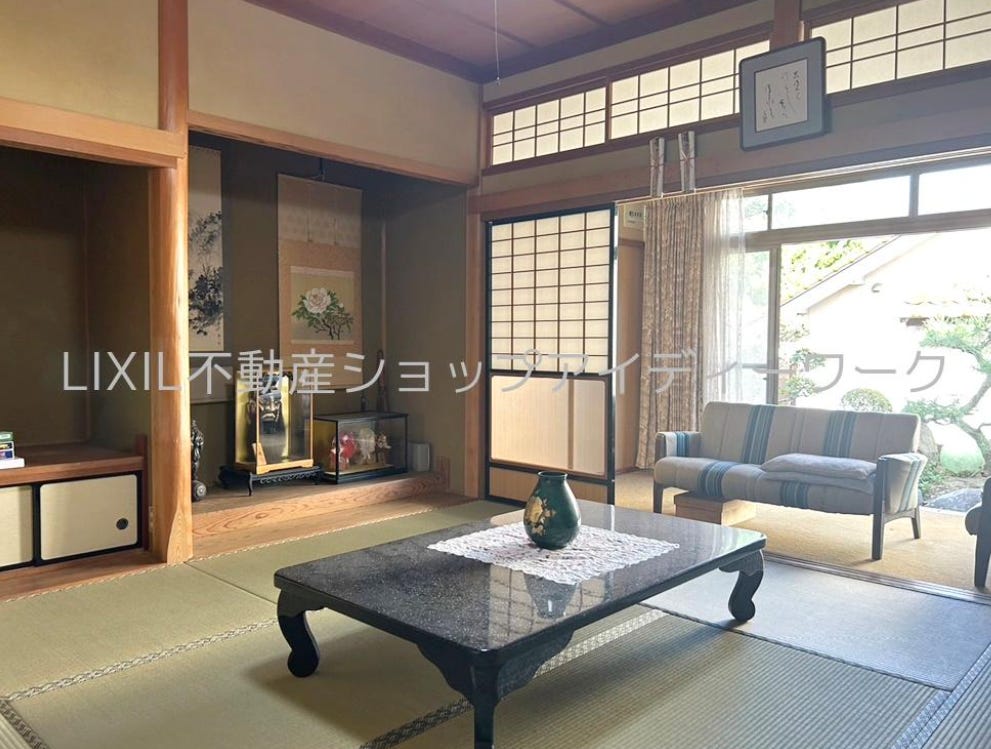
Japan’s akiya market invites you to claim a piece of authentic Japanese history at a fraction of typical costs, preserve irreplaceable architecture, and contribute to reviving rural economies with hands-on role in reviving communities, while being able to reconnect with nature. In a society where new construction often trumps the old, this type of investment makes a real difference.
If you’ve ever dreamed of living in Japan, whether full-time, part-time, or simply as a cultural patron, explore akiya banks, watch the video, and imagine the possibilities. Could you see yourself breathing new life into one of these storied homes? Share your thoughts below.
by
Carlita Shaw
References
If you’ve been following my journey on this Substack, you’ll know that I started writing here while I was going through severe displacement in Mexico after we had everything stolen. Since the last 16 months we have had to move 14 times and since the pandemic we have had no permanent home, moving across countries and continents with six rescue pets that no one else wants to adopt. Despite everything, I’ve kept sharing my story here on Substack and grown this newsletter over the last year along with my beloved rescue animals who have been by my side through it all.
If you’d like to help me and my furry family finally find a safe, affordable, and permanent home, I would be incredibly grateful for your support. Just click the green button below to donate, even a small donation such as 2 dollars would make a big impact. Every contribution brings us one step closer to stability. Thank you from the bottom of my heart for being part of this journey.
Books (Tired of Amazon—Soon to be launched all paperbacks available in Carlita’s New Online Growing Bookstore)
Deep gratitude to every paying subscriber, it’s down to you that I have been able to expand the scope of this newsletter. Thank you for keeping this newsletter sustainable and allowing this community to continue to grow.
Support the Work
If this piece moved you, you can support it in two simple ways: One-time or recurring boost via Ko-fi →
Directly fuels fieldwork, animal rescues, uncensored writing, and new healing tools. Every contributor gets instant access to the full article archives, previewed access to new book releases and more.
Become a monthly subscriber →
Your steady support is what makes this depth possible. No ads, no dilution — just raw, independent journalism and healing work at the intersection of nature, consciousness, and resilience.
Tailor your own Subscription Rate
Tailor your choice of monthly subscription to your budget on Ko-Fi if you prefer to have access outside of Substack and continue to support my work.
If you’re reading this as a free subscriber and aren’t in a position to support financially, sharing this work on other social media is deeply appreciated; it helps this newsletter grow in ways that matter.
Thank you for being here and for supporting this work in whatever way you can.


